
Description
February 27, 2026 | 12:00 – 1:00 PM
Psychosis and Substance Use in Adolescents and Young Adults
Description:
Learning Objectives:
-
- Define psychosis and identify core psychotic symptoms-including delusions, hallucinations, disorganized thinking or behavior, and negative symptoms-in adolescents and young adults.
- Describe the epidemiology and natural history of psychotic disorders in adolescents and young adults, including duration of untreated psychosis.
- Explain the relationship between substance use and psychosis, including mechanisms by which substances may precipitate psychosis or mask an underlying primary psychiatric disorder.
- Summarize current evidence linking specific substances to psychosis, with emphasis on cannabis and stimulant use, age of initiation, dose or potency, and prognostic implications
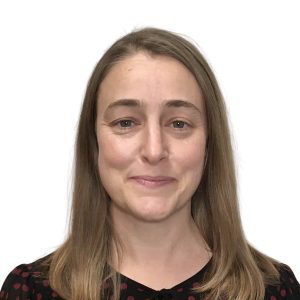
Presenter: Laura Grubb, MD, MPH
Dr. Laura Grubb is a board-certified pediatrician and adolescent medicine specialist with over two decades of experience advancing adolescent behavioral health through clinical care, public health leadership, and national advocacy. Her expertise centers on youth substance use prevention, treatment, and recovery, with a strong focus on implementing trauma-informed, evidence-based practices across clinical and community settings. As a Subject Matter Expert for the New England ATTC and consultant to the Opioid Response Network, she provides targeted technical assistance (TTA), training, and policy-informed consultation to behavioral health providers and systems.
Continuing Medical Education:
This activity has been planned and implemented in accordance with the accreditation requirements and policies of the Accreditation Council for Continuing Medical Education (ACCME) through the joint providership of the Hanley Center for Health Leadership and Education and CCSME. The Hanley Center for Health Leadership and Education is accredited by the Maine Medical Association Committee on Continuing Medical Education and Accreditation to provide continuing medical education for physicians.
The Hanley Center for Health Leadership and Education designates this regularly scheduled series for a maximum of 1 AMA PRA Category 1 Credit ™. Physicians should only claim credit commensurate with the extent of their participation in the activity.
*Nurses and Nurse Practitioners will be awarded a certificate of participation with a maximum of 1 AMA PRA Category 1 Credit ™.
This course has been approved by Co-Occurring Collaborative Serving Maine (CCSME), as a NAADAC Approved Education Provider, for 1 educational credits. NAADAC Provider #324712, CCSME is responsible for all aspects of the programming.
Contact Hours 1 contact hours for social workers, licensed clinical professional counselors, and behavioral health professionals.
1 Category 1 Contact hours for psychologists. CCSME is a pre-approved sponsor and provider of Professional Education Activities for Psychologists.
1 contract hours CHES. CCSME is a designated provider of continuing education contact hours (CECH) in health education by the National Commission of Health Education Credentialing, Inc.